White Goods Recycle in London
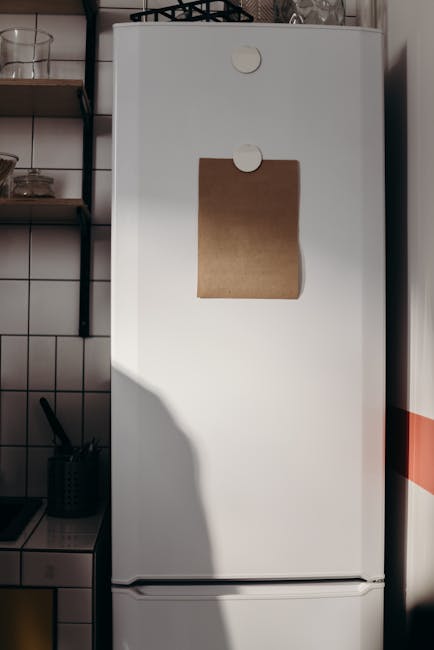
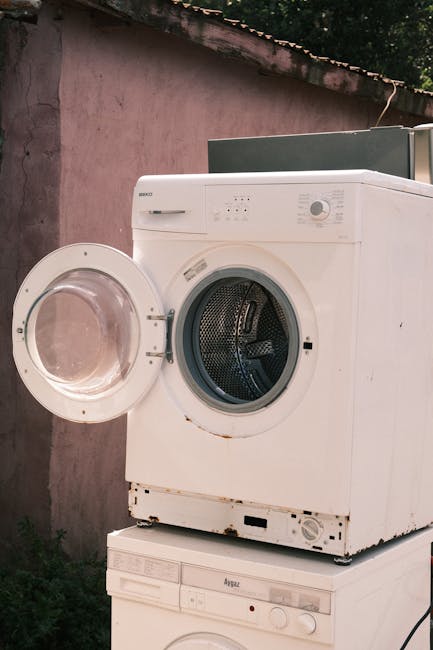
White Goods Recycle in London focuses on the collection and responsible removal of bulky household appliances that are no longer needed, whether they have failed, been replaced, or simply take up valuable room. The service is suited to fridges, freezers, washing machines, tumble dryers, dishwashers, cookers and similar items that are awkward to move safely without the right handling. We aim to make the process straightforward for households, landlords and businesses that need a practical way to clear a single appliance or several at once.
Our work centres on white goods collection and onward recycling where items can be processed responsibly. That means giving attention to access, safe lifting, and the type of appliance being removed, rather than treating every job the same. Heavy machines, integrated units and older equipment may need different handling, so it helps to choose a service that understands the shape, weight and condition of the item before it is moved. If you are planning a clear-out, you can request a quotation once you know what needs to go.
For customers who want to compare related options, the wider range of service pages can help you see how appliance removal sits alongside other household clearance work. You may find the fridge disposal page useful when a cooling appliance is the main item, while the washing machine disposal route is not available in the supplied links, so it is better to stick with the exact options that do exist. In practice, many jobs involve more than one appliance, and it is often more efficient to arrange a single collection than to split the task across several visits.
Appliance removal arranged around the item, not just the room

White goods often create their own set of removal decisions because they are both bulky and connected to plumbing or electrics. A fridge may need to be emptied and defrosted first, a washing machine may need hoses disconnected, and a cooker may require care around gas or electrical fittings. The safest approach is to treat each appliance on its own terms, especially where access is narrow or the item is built in. We can help with removal planning that reflects the actual appliance and the route it needs to take out of the property.
When people ask for help with these jobs, they usually want a clear answer on what can be taken and what the practical limits are. The useful answer is that collection depends on condition, access and the type of unit, not on a one-size-fits-all promise. A heavy appliance on a ground floor with direct access is different from one on an upper landing with tight stairs. Where several items are being cleared together, it is often sensible to note them together so the work can be assessed as one collection rather than several isolated removals.
To keep the process organised, it helps to think in simple terms:
- what appliance needs removing
- how it is connected or fixed in place
- where it is located in the property
- whether more than one item will travel together
Fridges, freezers and cooling appliances
Cooling appliances deserve special attention because they are often among the heaviest domestic white goods and can be difficult to manoeuvre in confined homes. A fridge freezer may need careful tilting, secure carrying and sufficient clearance through doorways, hallways and communal entrances. Older units can also be awkward because of size, weight distribution and the way doors open. A reliable removal plan takes these details seriously, helping the collection proceed without leaving the item half-moved or causing avoidable disruption.
There can also be practical differences between standalone models and integrated units. A freestanding fridge or freezer is usually simpler to access, while an integrated appliance may be fixed more closely into cabinetry and therefore needs a more deliberate approach. We focus on the removal itself and the responsible routing of the appliance after collection. Customers who are replacing kitchen equipment often prefer to arrange this work at the point when a new appliance is due, so the old one does not remain in the way for longer than needed.
For households with several items to clear, the service can be combined with other appliance-related work rather than handled as an isolated chore. Where useful, related pages such as white goods recycle can help orient the enquiry, but the main point is practical: remove the appliance safely, keep the process efficient, and ensure the item is directed into the right recovery route where possible.
Washing machines, dishwashers and kitchen equipment

Washing machines and dishwashers may look similar in size, but they often differ in how they are installed and disconnected. A washing machine may require attention to inlet and waste hoses, while a dishwasher can be fitted more tightly into kitchen units. Those details matter because they influence how the appliance is separated from the space before lifting begins. A good collection service takes a calm, methodical approach rather than forcing a move that could damage fittings or flooring.
Cookers and other kitchen appliances also vary widely. Some are freestanding and easy to identify, while others may be built into cabinets or connected in ways that need additional care. We are focused on white goods removal, so the key question is whether the item fits the service and can be accessed safely. When customers are unsure whether an appliance counts as a white good or a broader bulky item, it is better to describe the item plainly in the enquiry and let the collection be assessed on its own facts.
Useful ways to prepare a quotation request include naming the appliance type, saying how many items there are, and noting whether access is easy or restricted. A clear description saves time and helps avoid assumptions. If you are already comparing service options, the pricing and quotes page is a sensible next stop before you ask for a tailored figure. That keeps the conversation focused on the actual work rather than vague estimates.
What affects the collection cost

Pricing for white goods collection is usually shaped by practical factors rather than by the appliance category alone. The most common influences are the number of items, whether they are easy to access, whether they need moving from upstairs or from a difficult location, and whether the job involves a single appliance or a mixed load. Weight, size and the time needed to remove an item safely all play a part. In many cases, a clear description of the job gives a better starting point than a brief request for a price with no context.
It can also matter whether the appliance is ready for immediate collection or still needs to be disconnected and moved from a tight space. Some customers prefer to arrange removal after a replacement appliance has been delivered; others need the old item gone before a refurbishment can proceed. These differences do not make one job better than another, but they do affect how the work is prepared and priced. A quotation is therefore most useful when it reflects the real conditions rather than a generic description.
If you want to compare the broader service structure, the waste removal page shows how appliance collection sits within a wider clearance offering. For customers who are ready to act, the simplest approach is to gather the item details, think about access, and then ask for a quotation. That keeps the process direct and avoids guesses about cost or scope.
Recycling, recovery and responsible handling
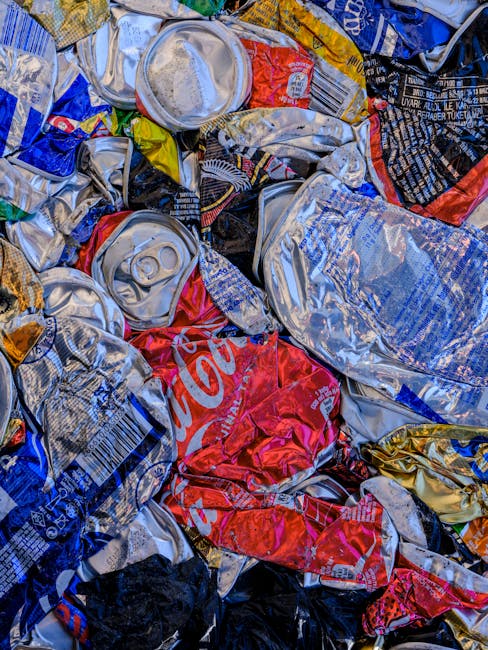
White goods are not just heavy items to be moved away; they also contain materials that can often be separated, recovered or processed through the right channels. That is why a careful collection service matters. Appliances may include metals, plastics, wiring, insulation and other components that should not simply be treated as general rubbish. Our approach is built around handling the item in a way that supports responsible recycling where practical, while making the removal simple for the customer.
Different appliances may follow different recovery routes after collection, depending on their condition and construction. A damaged or obsolete machine will not be the same as one that is simply being replaced, and the final handling can vary accordingly. That makes accuracy important at the quotation stage and also during the collection itself. The more clearly the appliance is described, the easier it is to align the work with the right method of removal and subsequent processing.
Related pages such as recycling and sustainability and waste disposal can provide a broader picture of how appliance handling fits within general resource recovery. For the customer, though, the main requirement is simple: choose a service that is set up to remove the item sensibly and deal with it with proper regard for reuse and recycling opportunities where available.
Access, lifting and safe movement inside the property
White goods collections are often decided by access as much as by the appliance itself. Narrow halls, tight staircases, shared entrances and uneven external routes can all affect how the item is taken out. A machine that is straightforward on paper may still need extra care if it has to turn corners or pass through limited space. We therefore place value on describing the removal route clearly before the work starts, so the collection can be planned around the actual layout.
Safe movement is important because white goods are usually awkward to grip, and some have sharp edges, protruding parts or unstable weight distribution. A controlled lift, sensible positioning and adequate space all help reduce avoidable strain and the risk of damage. In some properties, it may also be sensible to clear a route in advance so the appliance can be moved without interruption. That is not a major task, but it does help the collection proceed in a tidy, organised way.
For those comparing household clearance support, the related house clearance and home clearance pages are useful starting points where a white goods job is part of a wider decluttering project. Even when the appliance is the only item, the same principle applies: the work should be planned around access, safety and the best route for removing the item cleanly.
White goods collection for homes, landlords and business premises
Although many people think first of domestic jobs, white goods also turn up in rented properties, managed buildings, offices, hospitality spaces and other commercial settings. In those contexts, appliance removal may need to fit around tenant changeovers, refurbishment windows, end-of-lease clearances or routine replacement of equipment. The underlying task remains the same, but the timing and access arrangements can be more structured. A good quotation takes account of the premises as well as the appliance.
Landlords and property managers often want to keep common areas clear and avoid leaving redundant appliances in a flat or storage area. Businesses may need a single freezer, washer or kitchen item removed without disrupting operations more than necessary. We can support that kind of work when the appliance falls within the service scope. If you are coordinating multiple items, it helps to group them in one enquiry so the collection can be arranged as a single practical job rather than several isolated visits.
Two useful points to send with an enquiry are the appliance list and any access notes that might affect moving it. That may include upper-floor locations, restricted parking, shared stairwells or the presence of integrated fittings. If the job seems broader than a single item, pages such as business waste removal can help you decide whether the task belongs in a more general removal category. The aim is to match the job to the right service from the outset.
About London
London is a large and layered city whose character has been shaped by centuries of growth along the River Thames. It began as a Roman settlement, later expanding into a medieval mercantile centre and then into the capital of a global empire. Today it is a vast metropolitan area with distinct districts, each carrying its own architectural style, local streetscape and social rhythm. The historic core around the City of London sits alongside former village centres, Georgian terraces, Victorian squares and modern developments, giving the capital a rare mix of periods and scales within one continuous urban fabric.
The city’s geography is inseparable from the river, which bends through central London and has long influenced trade, settlement and movement. Bridges, embankments and waterfront paths have tied together areas that once felt more separate, while parks and commons provide open ground in a densely built environment. Landmarks such as Westminster Abbey, the Houses of Parliament, the Tower of London and St Paul’s Cathedral stand near neighbourhoods that have evolved far beyond their original boundaries. Museums, theatres, markets and galleries contribute to a cultural life that is both international and intensely local, with each district maintaining its own identity. London’s transport network, from the Underground to rail termini and bus corridors, further reinforces its role as a city of connections, passing people through areas that range from formal civic spaces to lively residential streets.
Choosing the right collection for your appliance
Different appliances call for different levels of preparation, so choosing the right collection is often about matching the job to the item rather than treating all white goods as identical. A compact appliance in a ground-floor kitchen may be uncomplicated, while a larger machine in a loft room or basement can require more planning. The right service should feel clear about what is included, what the access demands are, and how the item will be removed from the property without unnecessary disruption.
It can help to compare the available service routes if you are not sure whether the task is strictly appliance removal or part of a wider clearance. The bulky waste collection and large item collection pages are relevant where a white good is simply one of several heavy objects to be taken away. That sort of comparison is useful because it keeps the quotation accurate and makes the scope of the work easier to understand before the collection is booked.
For customers who are ready to move ahead, the next step is straightforward: identify the appliance, note any access details, and use the quotation process to set out exactly what needs removing. If you have more than one item, mention them together so the plan reflects the full job. Request a quotation when you are ready and keep the description focused on the appliances that matter most.
Getting started with White Goods Recycle
The simplest way to begin is to decide which white goods need removing and whether the job stands alone or forms part of a larger clearance. Some customers only need a single fridge or washing machine taken away, while others want several appliances collected together after a kitchen update, tenancy change or property clean-out. Once you know the scope, you can describe the work clearly and avoid unnecessary detail. That makes it easier to match the collection to the right kind of service.
If you are comparing supporting pages, the contact us option is the natural place to make a direct enquiry, while about us can give more background on the company page set itself. For practical purposes, though, the most important thing is to provide a concise description of the appliances, where they are located and any access issues that might affect removal. That is usually enough to move from interest to a workable quotation.
White Goods Recycle is set up to help with the practical side of appliance removal in London, with an emphasis on tidy collection and responsible handling. If you are planning a clear-out, replacing old equipment or dealing with a redundant machine that has become hard to live with, a clear quotation is the best place to begin. Ask for a quotation when you are ready to move the item on.