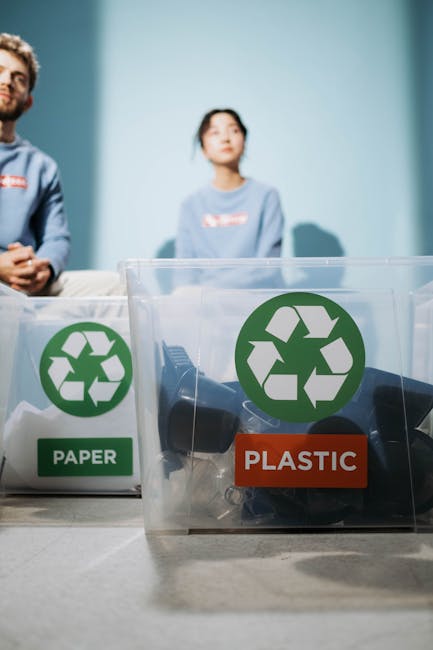
5 Recycling Myths That Inflate Your Waste Costs
If your waste bills feel a bit too high for what is, on the surface, "just recycling", you are not imagining it. The truth is, a handful of common recycling misunderstandings can quietly push up collection charges, increase contamination, create avoidable trips, and leave you paying for the wrong service. This guide breaks down 5 Recycling Myths That Inflate Your Waste Costs in plain English, so you can spot where money is slipping away and make smarter decisions without turning waste management into a full-time job. Let's face it, most people do not wake up excited to audit bins.
Whether you manage a home, a rental property, an office, a shop, or a busy site in London, the same patterns show up again and again: overfilled containers, mixed materials, "recyclable" items that are not actually accepted, and well-meant habits that cost more than they save. We will cover what these myths are, why they matter, how they affect your waste handling costs, and what you can do instead.
Why 5 Recycling Myths That Inflate Your Waste Costs Matters
Waste costs are rarely driven by one dramatic mistake. More often, they creep up because of habits that look harmless. A bin is "mostly clean", so nobody worries. Cardboard is flattened, but not sorted. Food packaging gets chucked into recycling because it seems close enough. Then a collection arrives, the load is contaminated, and suddenly the whole lot is treated less efficiently than expected.
That is where the money leaks out. Contamination can lower the value of recyclable material, increase sorting work, and in some cases lead to rejected loads or extra charges. It can also mean you are using the wrong collection service altogether. For example, a business may pay for a mixed recycling stream when most of its waste is actually bulky furniture, office clearance waste, or appliances that need a different route.
In our experience, the biggest cost inflation happens when people assume recycling is automatically cheaper than other disposal options. Sometimes it is. Sometimes it is not. The real cost depends on volume, material type, access, contamination, and whether you are booking a waste collection, arranging a one-off clearance, or managing recurring disposal for a household or business.
Key takeaway: The myth is usually not "recycling is bad". The myth is "any recycling setup will do". That assumption can quietly inflate costs month after month.
This matters for anyone trying to keep budgets under control, especially in London where access issues, parking, narrow stairwells, and mixed tenancy buildings can complicate even a simple collection. A quick fix is not always the cheapest fix. Annoying, yes. True, also yes.
How 5 Recycling Myths That Inflate Your Waste Costs Works
The phrase sounds dramatic, but the mechanism is straightforward. A recycling myth changes behaviour, behaviour changes sorting quality, and sorting quality changes cost. The more often waste is contaminated, misclassified, or placed into the wrong container, the more you pay in labour, handling, transport, and disposal inefficiency.
Think of it like this: a recycling system works best when materials are predictable. Clean cardboard goes one way. Mixed bulky waste goes another. White goods, mattresses, furniture, and general rubbish each have their own practical handling needs. When those categories get blurred, the collection becomes slower and less efficient. Slower usually means costlier.
Here is the basic chain reaction:
- A myth leads to a bad assumption.
- The assumption changes how items are sorted or stored.
- The wrong items get mixed together, overpacked, or left unprepared.
- The collection team spends more time separating, lifting, or reworking the load.
- You pay more than necessary, or you lose value through contamination.
That does not mean you need a perfect waste system. Hardly anyone does. It does mean you need the right system for the actual waste you produce. A household clearing out an old sofa has different needs from a shop replacing fixtures, and a landlord clearing a flat after a tenancy has different needs again. If you want a more structured view of disposal options, services like rubbish removal or waste removal can sometimes be a better fit than trying to force everything into one recycling route.
Once you understand that cost is shaped by behaviour, not just bin colour, the myths become much easier to spot.
Key Benefits and Practical Advantages
Correcting recycling myths is not just about being tidy or environmentally sound. It has very practical upside. The savings are often modest at first, then quite noticeable once the obvious inefficiencies are stripped out.
- Lower collection costs: cleaner loads are easier to process and less likely to trigger extra handling.
- Fewer rejected loads: less contamination means less chance of paying for a collection that does not perform as intended.
- Better space use: when items are sorted properly, bins, cages, and storage areas work more efficiently.
- Reduced admin: you spend less time chasing missed pickups, disputing charges, or re-booking services.
- More useful service matching: you can choose between collection, clearance, disposal, or recycling with more confidence.
- Cleaner site conditions: fewer mixed piles, less odour, less clutter, less chaos. Nice, really.
There is also a decision-making benefit. Once you know which myth is costing you money, you can tackle the real issue instead of guessing. For a home clear-out, that might mean booking a proper house clearance rather than piecing together multiple ad hoc trips. For a business, it may mean reviewing whether your business waste removal arrangement actually matches the mix of office furniture, packaging, and bulky items you are producing.
That clarity alone can stop waste costs from drifting upward without you noticing. And drifting is the key word here.
Who This Is For and When It Makes Sense
This topic is relevant if you are responsible for waste in any practical sense. That could be a homeowner, a tenant, a landlord, an estate agent, a facilities manager, a shop owner, or someone coordinating a one-off clear-out before a move. It also applies if you are trying to compare recycling with wider disposal options and want to avoid paying for the wrong service.
It makes particular sense when:
- your waste bills have crept up without an obvious reason;
- people keep putting mixed items into the wrong bins;
- you deal with bulky items, furniture, or appliances regularly;
- you need to clear space quickly and cannot afford trial and error;
- you operate in a building with limited access, shared bins, or inconsistent sorting habits;
- you are in London and need a service that handles the reality of tight stairs, parking restrictions, and short time windows.
A simple example: a flat in central London produces less waste by volume than a family home, but the collection complexity can be higher because of access and shared storage. In that situation, a generic recycling habit may not be enough. You may need a more tailored approach such as flat clearance or a planned bulky waste collection.
Truth be told, most people only start looking at waste more carefully once the bills become annoying. Fair enough. The sooner you address the myths, the quicker the costs settle down.
Step-by-Step Guidance
If you want to stop recycling myths from inflating your waste costs, start with a quick audit. You do not need a spreadsheet masterpiece. You just need enough clarity to see what is happening.
1. Identify your actual waste streams
List what you throw away most often. Common categories include cardboard, plastics, food waste, mixed rubbish, furniture, mattresses, appliances, garden waste, and builder-type debris. The point is to stop guessing. You may notice that the "recycling problem" is actually a bulky waste problem.
2. Check where contamination happens
Look at the bin or area where mistakes happen most. Is it food residue on packaging? Is it mixed materials? Are people overfilling bins because they think recycling can handle anything? One sticky tray can spoil a cleaner load faster than you would think.
3. Match the waste to the right service
Not all waste needs the same handling. A sofa does not belong in the same mental category as loose packaging. If you are dealing with old seating, explore sofa removal or sofa collection. For bedroom clear-outs, mattress disposal may be more suitable than lumping the item into general waste.
4. Simplify the sorting rules
People follow simple systems. They ignore fussy ones. Use plain instructions like "clean cardboard only", "food left out", or "bulky items kept separate". Keep signage short. If a rule needs a paragraph, it is probably too complicated for a shared bin area.
5. Review collection frequency and container size
Overflowing bins lead to mixed piles on the floor, and mixed piles lead to extra charges. If collections are too infrequent, you end up paying in a different way: more tidying, more staff time, more stress. Sometimes the cheapest fix is a better-sized container or a more suitable pickup schedule.
6. Recheck after the first round of changes
After a few weeks, look again. Are contamination levels down? Is storage easier? Are collections smoother? If not, tweak the process. Waste systems are rarely "set and forget". They need a bit of attention. Not glamorous, but effective.
Expert Tips for Better Results
The best waste savings usually come from small, practical moves rather than dramatic overhauls. Here are the things that tend to make a real difference.
- Keep recycling streams boring. The fewer "special exceptions" you allow, the easier it is for people to get it right.
- Remove confusion at source. If staff or household members have to decide between two similar bins, mistakes will happen.
- Use separate zones for bulky items. Furniture, appliances, and general rubbish should not end up in one messy pile by default.
- Break down large items where safe and practical. This can improve space use and reduce the number of trips required.
- Keep "maybe recyclable" items out. That hopeful little category causes more trouble than it solves.
- Choose the right clearance format for the job. If you need a full property emptied, a dedicated service such as waste clearance or home clearance may be more efficient than piecemeal disposal.
One useful habit is to do a five-minute bin check before booking any service. Open the container, look at what is actually in there, and ask a blunt question: is this recycling, rubbish, or bulky waste? That tiny pause can save a surprising amount of money.
Another tip: involve the people who create the waste. In offices, that means staff. At home, that means everyone. In a shared block, that means making instructions visible at the point of use. A label on a wall is nice; a label at eye level next to the bin is better.
Common Mistakes to Avoid
Here are the mistakes we see most often when people are trying to keep waste costs down but accidentally do the opposite.
- Assuming all recyclable items are accepted everywhere. Material rules vary by service and collection type.
- Putting dirty packaging into recycling. Food residue can ruin an otherwise clean load.
- Using recycling as a catch-all. If in doubt, people often toss everything into the recycling bin. That is usually where the cost problem starts.
- Ignoring bulky waste. A sofa, mattress, or fridge cannot be handled like ordinary dry recycling.
- Overstuffing containers. Overflow creates spillage, mixed waste, and extra labour.
- Booking the wrong service. A one-off clearance can be more efficient than repeated small loads, and vice versa.
- Forgetting access constraints. Tight staircases, basement storage, and parking issues can all affect the final cost.
One slightly embarrassing but very real example: a well-organised bin area can still be expensive if the items are sorted "nearly right" rather than properly. Nearly right is expensive. Not always immediately, but enough to matter.
It is also easy to underestimate how much a single problem item can affect a collection. A broken appliance in with mixed rubbish changes the handling requirement. A damp mattress changes the storage situation. Little things, big effect.
Tools, Resources and Recommendations
You do not need specialist software to improve recycling accuracy, though some businesses do benefit from one. Start simple. The best "tool" is a clear system that people can actually follow.
- Waste audit sheet: a basic list of what goes out, how often, and in what condition.
- Bin labels: large, plain, and specific enough to reduce guesswork.
- Photo examples: a picture of what belongs in each stream can be more effective than text.
- Collection log: note what was collected, what caused issues, and whether anything overflowed.
- Space plan: map where bulky waste, recycling, and general waste are stored before collection day.
For larger clear-outs, it can help to review services side by side. For example, if you are moving furniture, a dedicated furniture disposal or furniture clearance option may be more suitable than a broad rubbish booking. If you are dealing with appliances, a specialist route such as fridge disposal or white goods recycle is usually a better fit.
If your waste is mixed, bulky, or time-sensitive, a proper quote process matters too. A transparent discussion of access, item type, and volume usually prevents awkward surprises later. That is just good practice, really.
Law, Compliance, Standards, or Best Practice
Waste management in the UK is not just a practical issue; there are also legal duties and expected standards depending on the setting. The exact obligations vary by location, property type, and whether you are a household, landlord, or business. So it is wise to treat compliance carefully rather than casually.
At a high level, good practice usually means:
- keeping waste properly stored so it does not create a nuisance;
- using appropriate services for the material type;
- avoiding contamination where recyclable streams are used;
- ensuring collection arrangements are safe and suitable for access conditions;
- following site-specific health and safety requirements where relevant.
For businesses, records and duty-of-care considerations often matter more than people expect. Even when a service looks simple, it is still worth confirming that the provider's processes align with your own standards and responsibilities. If you handle waste in a workplace, details like safe lifting, storage, and collection access should be planned rather than improvised.
For home users, the compliance issue is usually less formal but still real. Incorrect disposal can lead to unpleasant mess, nuisance, or repeated costs. In a shared building, that can become a neighbour issue very quickly, and nobody wants that at 8:00 on a wet Tuesday morning.
If you are comparing providers, it is sensible to review pages such as insurance and safety, health and safety policy, and recycling and sustainability to understand how a service approaches care, handling, and environmental outcomes.
Options, Methods, or Comparison Table
Choosing the right waste method is often where the savings appear. Here is a simple comparison to help you decide what fits best.
| Method | Best for | Strengths | Watch-outs |
|---|---|---|---|
| Recycling collection | Clean, separated materials | Can be efficient and cost-effective | Contamination can quickly reduce value |
| General rubbish removal | Mixed non-recyclable waste | Simple and flexible | Not ideal for items that need special handling |
| Bulky waste collection | Large items like sofas, beds, or appliances | Better matched to size and handling needs | Access and item preparation can affect cost |
| Full clearance service | Homes, flats, offices, garages, or lofts | Fast, structured, and practical for large volumes | May be more than you need for just a few items |
A lot of waste cost inflation comes from using a method that is a bit too broad or a bit too narrow. Too broad, and you pay for handling you do not need. Too narrow, and you end up with repeat collections or overflow. The middle ground is matching the method to the real waste profile.
If you are unsure where to start, a pricing and quotes page can help set expectations before you commit. That pre-booking clarity is often worth more than it looks.
Case Study or Real-World Example
Here is a realistic scenario based on a common pattern. A small office in West London is clearing out after a move. The team has a few desks, office chairs, boxes of mixed paperwork, broken small electricals, and some leftover packaging. At first, they assume everything can be put into one recycling stream because "most of it is recyclable".
That assumption causes three issues. First, the mixed load becomes harder to process. Second, bulky furniture takes up far more space than the team expected. Third, the broken electricals and loose materials require different handling altogether. The result is extra labour, longer collection time, and more back-and-forth than necessary.
When the situation is reviewed properly, the better approach is obvious: separate the clean recyclables, arrange a furniture route for desks and chairs, and handle the leftover mixed waste through a general removal or office-specific clearance. In a case like this, a dedicated office clearance service would usually be more efficient than trying to make recycling do all the work.
The lesson is simple. The cheap option is not always the cheapest outcome. The right option usually looks a little more organised from the start, and much less messy by the end. Small relief, honestly.
Practical Checklist
Use this checklist before your next collection or clearance.
- Identify the main waste types you actually produce.
- Separate clean recyclables from mixed waste.
- Keep food-contaminated packaging out of recycling where possible.
- Set aside bulky items like sofas, mattresses, and appliances.
- Check whether a clearance, collection, or disposal service fits the job best.
- Review access: stairs, lifts, parking, loading space, and time windows.
- Use simple labels or signs where several people share the waste area.
- Avoid overfilling bins or leaving loose waste beside containers.
- Confirm what is included in the service before booking.
- Reassess the system after the first collection and make one improvement at a time.
If you can tick most of those off, you are already ahead of many households and businesses. Not perfect, maybe, but far better. And better is what saves money.
Get a free quote today and see how much you can save.
Conclusion
The real cost of waste is not always visible at first glance. It hides in the little assumptions: that everything recyclable is accepted, that a mixed pile is fine if it looks tidy, that bulky items can wait, or that the cheapest-looking option will always stay cheap. Those are the myths that slowly inflate your waste costs.
Once you know what to look for, the fix is usually straightforward. Sort more accurately. Match the service to the waste. Keep contamination down. Be honest about bulky items. And do not be afraid to choose a more suitable clearance or collection route if that is the cleaner, calmer, cheaper answer in the long run.
Waste management does not have to be dramatic. It just needs to be sensible. A bit clearer, a bit simpler, and a lot less wasteful.
And when the bins are under control, the whole place feels lighter. That part matters too.
Frequently Asked Questions
What are the main recycling myths that increase waste costs?
The biggest myths are usually that all recyclable items are accepted everywhere, that dirty packaging is fine in recycling, and that bulky items can be treated like ordinary household waste. Those assumptions tend to create contamination, extra labour, and inefficient collections.
Why does contamination make recycling more expensive?
Contamination makes sorting harder and can reduce the quality of recyclable material. In practical terms, that means more handling, more time, and sometimes rejected loads or additional charges. Even small amounts of the wrong material can have a noticeable effect.
Is recycling always cheaper than general waste removal?
Not always. It depends on the material, the amount, the condition of the waste, and the type of service needed. Clean, well-sorted recyclables may be efficient, but mixed or contaminated waste can become costly very quickly.
How do I know if I need a clearance service instead of a recycling pickup?
If you are dealing with lots of mixed items, bulky furniture, appliances, or a full room or property, a clearance service is often more suitable. It is usually better to choose a service that matches the actual waste rather than forcing everything into one collection method.
What items commonly cause recycling mistakes at home?
Food containers with residue, mixed-material packaging, broken small electrical items, and oversized household goods are common problem items. Mattresses, sofas, and fridges also need special attention because they are not just "general waste".
Can I put slightly dirty packaging into recycling?
Usually, it is better to keep packaging as clean as you reasonably can before placing it in recycling. Heavy residue can create contamination issues. If an item is greasy or food-soiled, it may be unsuitable for the recycling stream you are using.
What should businesses do first to cut waste costs?
Start with a simple waste audit. Identify the main waste types, where mistakes happen, and whether your current service matches your actual output. Businesses often save money by improving sorting, reducing contamination, and using the right service for bulky or mixed waste.
Do bulky items need separate handling?
Yes, in most cases they do. Sofas, beds, mattresses, and white goods can require different collection and disposal arrangements. Treating them like ordinary recycling can lead to inefficiency and higher costs.
How often should I review my waste setup?
Review it whenever waste volumes change, after a move, after a refurbishment, or whenever costs rise without a clear reason. For many people, a quick review every few months is enough to catch problems early.
What is the easiest way to reduce recycling confusion?
Keep the rules simple. Use clear labels, separate bulky items, and avoid vague categories like "anything recyclable" if you can. The more obvious the system is, the less likely people are to make expensive mistakes.
Does a small amount of contamination really matter?
Yes, it can. A small amount of the wrong material may not seem like much, but in a collection stream it can still affect sorting quality, processing time, and overall efficiency. Small problems have a habit of becoming expensive ones.
What is the best next step if my waste costs are already high?
Start by separating waste streams more carefully, then check whether you are using the right service for the right material. If you still cannot see where the cost is coming from, ask for a clearer quote and review the handling requirements before the next collection.